Getting the right bra size is crucial for comfort, support, and confidence. Many women are wearing the wrong bra size without even knowing it. This comprehensive guide will teach you how to measure yourself correctly at home.
What You'll Need
- A soft measuring tape
- A well-fitting, non-padded bra
- A mirror
- Someone to help (optional but recommended)
Step 1: Measure Your Band Size
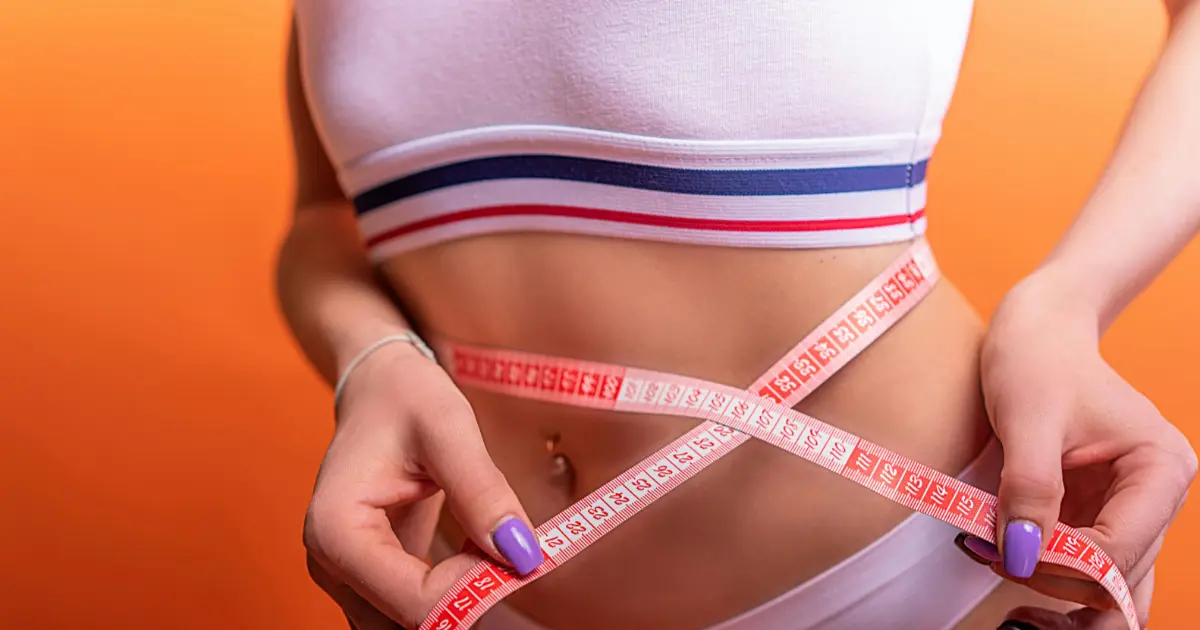
Wrap the measuring tape around your ribcage, directly under your bust. The tape should be snug but not tight, and parallel to the floor. Round to the nearest whole number.
Important Tips:
- Make sure the tape is level all the way around
- Don't hold your breath - breathe normally
- The tape should be snug enough that it doesn't slide down
Step 2: Measure Your Bust Size
Measure around the fullest part of your bust, keeping the tape parallel to the floor. Don't pull the tape too tight - it should rest comfortably against your body.
Key Points:
- Lean forward slightly to ensure you're measuring the fullest part
- Keep the tape level and parallel to the floor
- Don't compress your breasts with the tape
Step 3: Calculate Your Cup Size
Subtract your band measurement from your bust measurement. Each inch of difference corresponds to a cup size:
- 1 inch difference = A cup
- 2 inches difference = B cup
- 3 inches difference = C cup
- 4 inches difference = D cup
- 5 inches difference = DD/E cup
- 6 inches difference = DDD/F cup
- 7 inches difference = G cup
- 8 inches difference = H cup
Common Mistakes to Avoid
Measuring Over Clothes
Always measure against your skin or over a thin, well-fitting bra. Bulky clothing can add inches to your measurements.
Pulling the Tape Too Tight
The measuring tape should be snug but not constricting. You should be able to slide a finger underneath it.
Not Keeping the Tape Level
Make sure the tape is parallel to the floor all the way around your body. Use a mirror to check the back.
Measuring at the Wrong Time
Your breast size can fluctuate throughout your menstrual cycle. For the most consistent measurements, measure mid-cycle.
Adding Inches to the Band
Modern bra sizing doesn't require adding 4-5 inches to your band measurement like older methods suggested.
When to Re-measure
- Weight changes of 10+ pounds
- Hormonal changes (pregnancy, menopause, medication)
- Age changes - breast shape and size change over time
- When your current bras don't fit well anymore
Professional Fitting vs. Self-Measuring
While self-measuring is convenient, a professional fitting can provide:
- Expert assessment of fit issues
- Knowledge of brand-specific sizing variations
- Recommendations for your specific breast shape
- Immediate try-on and adjustment
Final Tips for Success
- Measure regularly - Your size can change over time
- Try before you buy - Sizes vary between brands
- Consider sister sizes when your usual size isn't available
- Pay attention to fit - The numbers are just a starting point
Remember, bra sizes can vary significantly between brands, so always try before you buy when possible. Use these measurements as a starting point, but trust how the bra actually fits and feels on your body.