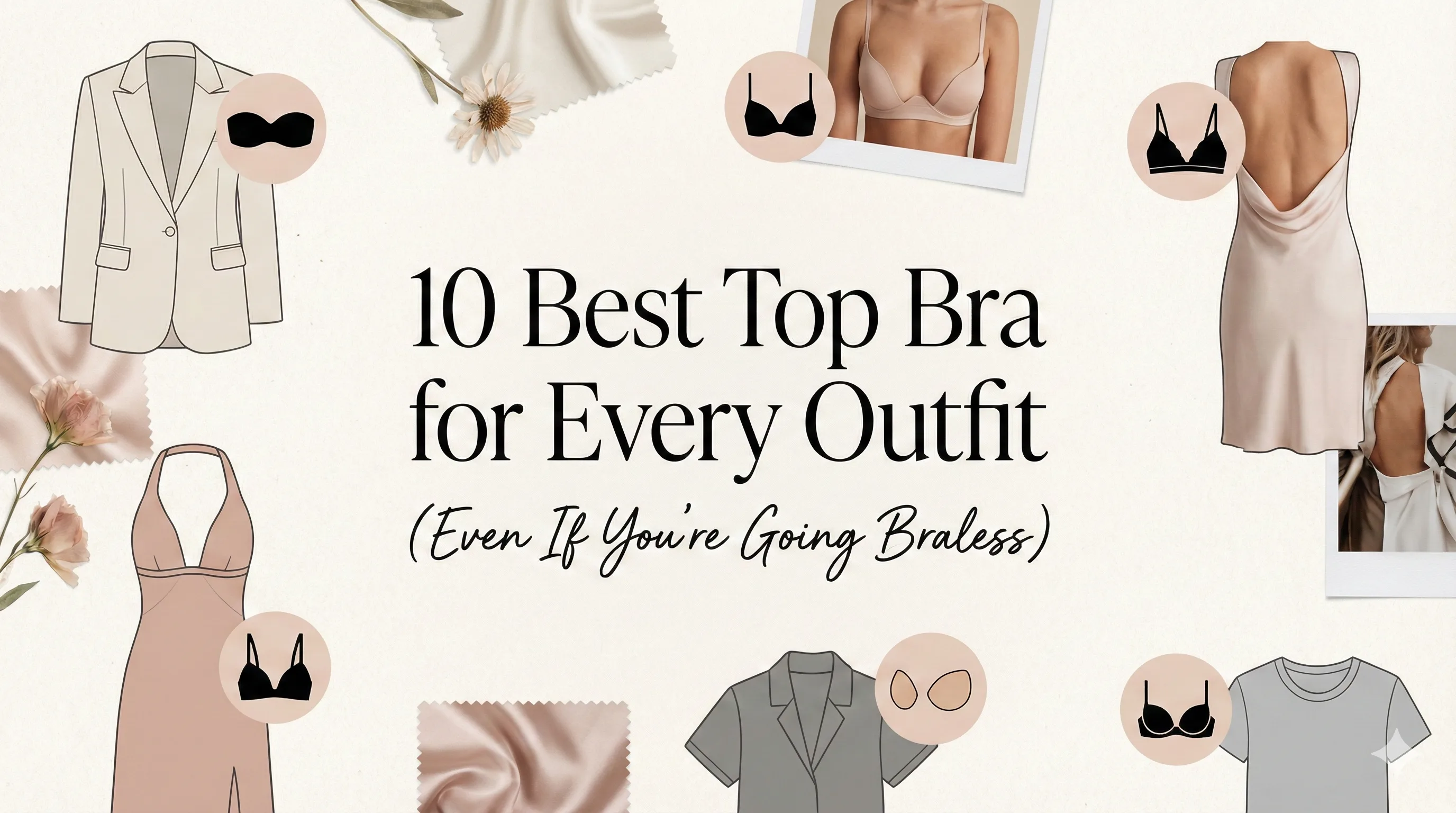
Are you among the 80% of women wearing the wrong bra size? If you're experiencing discomfort, poor support, or constantly adjusting your bra throughout the day, you might be making one of these common fitting mistakes. As a medical professional specializing in women's health, I've seen firsthand how proper bra fitting can transform not just comfort, but overall well-being.
Why Proper Bra Fit Matters More Than You Think
Before diving into the mistakes, let's understand why this matters. An ill-fitting bra doesn't just cause discomfort—it can lead to:
- Breast pain and tissue damage
- Poor posture and back pain
- Tension headaches
- Reduced confidence and comfort
- Skin irritation and chafing
The good news? Most fitting issues are easily correctable once you know what to look for.
Mistake #1: Relying on Outdated Measuring Methods
The Problem: Many women still use the old "add 4-5 inches to your underbust measurement" method, which was designed for less stretchy bras of the past.
The Reality: Modern bras have much more stretch and elasticity. This outdated method typically results in a band that's too large, forcing you to over-tighten straps for support.
The Fix:
- Measure your underbust snugly without adding inches
- If you're between sizes, try both and choose based on comfort
- Remember: 80% of your support should come from the band, not the straps
Mistake #2: Focusing Only on Cup Volume, Ignoring Shape
The Problem: Assuming all D cups are the same, regardless of brand or style.
The Reality: Cup shape varies dramatically between brands and styles. A 34D in one brand might fit completely differently than a 34D in another.
The Fix:
- Consider your breast shape: full on top, full on bottom, or even fullness
- Try different brands to find your best shape match
- Don't be afraid to size up or down in cups when changing band sizes
Mistake #3: Wearing a Band That Rides Up Your Back
The Problem: If your band creeps up your back throughout the day, it's too loose to provide proper support.
The Reality: A properly fitted band should sit parallel to the ground and stay in place all day. When bands ride up, your breasts lose essential support.
The Fix:
- The band should be snug enough that you can only fit two fingers underneath
- Test the band fit without the straps—it should stay in place
- If you're between band sizes, choose the smaller one
Mistake #4: Over-tightening Straps to Compensate for Poor Band Fit
The Problem: Cranking down your straps to get support because your band is too loose.
The Reality: This creates painful shoulder grooves, restricts circulation, and still doesn't provide proper breast support.
The Fix:
- Straps should only carry 20% of the support load
- Adjust straps so you can slide two fingers underneath comfortably
- If you need very tight straps for support, your band is too large
Mistake #5: Ignoring the Center Gore Test
The Problem: Not checking whether the center gore (the piece between the cups) lies flat against your chest.
The Reality: If the center gore doesn't lie flat, your cups are too small, and breast tissue isn't properly contained within the bra.
The Fix:
- The gore should tack completely against your sternum
- If it gaps or floats, try a larger cup size
- Wide-set breasts may need bras with narrower gores
Mistake #6: Accepting Underwire Discomfort as Normal
The Problem: Thinking underwire should hurt or that discomfort is just part of wearing a bra.
The Reality: Properly fitted underwires should never cause pain. They should follow your natural breast crease and encapsulate all breast tissue comfortably.
The Fix:
- Underwires should sit in your inframammary fold (breast crease)
- No breast tissue should spill over the wire
- If wires poke or dig, your cup size is likely too small
Mistake #7: Never Reassessing Your Size
The Problem: Wearing the same size for years without consideration for body changes.
The Reality: Your bra size can change due to weight fluctuations, hormones, pregnancy, aging, and even seasonal changes.
The Fix:
- Reassess your size every 6-12 months
- Get professionally fitted when possible
- Pay attention to fit changes and adjust accordingly
Quick Daily Fit Check
Here's a simple routine to ensure your bra fits properly each time you put it on:
- Band Check: Can you fit only two fingers under the band?
- Gore Check: Does the center piece lie flat against your chest?
- Wire Check: Do the underwires follow your natural breast crease?
- Cup Check: Is all breast tissue contained within the cups?
- Strap Check: Are your straps supporting, not digging?
When to Seek Professional Help
Consider a professional fitting if you experience:
- Persistent discomfort despite trying different sizes
- Significant body changes (weight loss/gain, pregnancy, surgery)
- Difficulty finding bras that fit properly
- Specific fit challenges (asymmetry, unique breast shape)
The Bottom Line
Remember, bra fitting isn't a one-size-fits-all science. Your perfect fit might be different from sizing charts or friends' recommendations. The key is understanding these common mistakes and being willing to experiment with different sizes and styles.
Your comfort and support are worth the investment in proper fitting. Don't settle for discomfort—with the right knowledge and approach, you can find bras that feel as good as they look.
Need help determining your correct size? Try our bra size calculator for accurate measurements and personalized recommendations.
About the Author: Dr. Kavitha is a medical professional specializing in women's health and proper bra fitting for optimal comfort and support. She has helped thousands of women find their perfect fit and improve their daily comfort.